
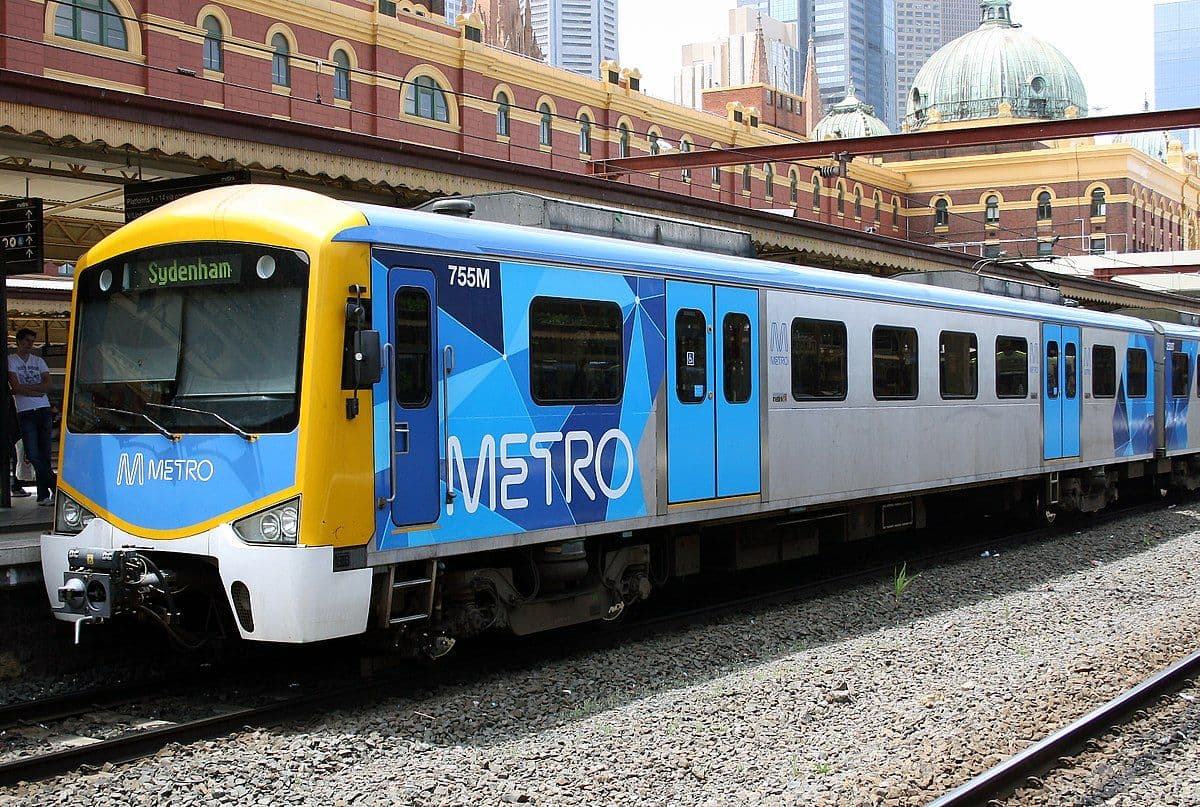
Accessible and sustainable transport
How we get around shapes every aspect of daily life. Transport is a social necessity, and the system we have now is failing. Urban planning has been designed around the private car, locking millions of people into car dependency. Those who don't drive face a public transport system that has been privatised, underfunded and allowed to deteriorate. Subsidies paid to private operators of Melbourne's trains, trams and buses are now around 50 percent higher than those paid to the publicly owned system they replaced, yet fares keep rising and services in outer suburbs and regional areas are inadequate.
Roads are increasingly privatised and tolled, cycling infrastructure remains dangerously inadequate, and regional Victorians are left dependent on cars for journeys that should be served by rail. The costs of this system impact those in outer suburbs spending thousands of dollars a year on cars they cannot do without, those in regional areas with no realistic alternative to driving, and those on low incomes who cannot afford either a car or the rising cost of public transport fares.
Victorian Socialists believe transport should be a public good, not a source of private profit. That means free, frequent, publicly owned public transport; safe and connected cycling infrastructure; roads free of private tolls; and genuine investment in regional connectivity. It means redesigning our cities so that people are not forced into car dependency by the absence of alternatives. And it means ensuring that the transition away from fossil fuel vehicles does not place new financial burdens on working-class people who have no choice but to drive.
What we think
- Access to reliable, safe, efficient and fare-free transport is a human right.
- Transport infrastructure should be built, owned and operated by public bodies.
- Our transport systems must be environmentally sustainable. New investment must prioritise low- and zero-emission, energy-efficient, affordable modes of transport.
- Fossil fuel reliant vehicles and freight must be phased out without causing disadvantage to working-class people.
- Car dependency is the result of decades of planning decisions that prioritised roads and private vehicles over public and active transport. Reversing this requires not just investment in alternatives but a fundamental change in how we plan and build our cities and suburbs.
- Transport infrastructure, planning and development must be democratic, and decisions must be guided by social equity and ecological sustainability.
We’ll fight to
Public Transport and Infrastructure
- Reverse the privatisation of Victoria’s train, tram and bus system and infrastructure, returning it to full public ownership, without compensation to private operators.
- Make all public transport permanently free, funded by ending private operator contracts and redirecting the current subsidies to running and expanding a publicly owned network.
- Build a genuinely usable network by establishing a turn-up-and-go model on all high-frequency routes, extending services so key lines run through the night, increasing bus, tram and train frequency across the network, and establishing a high-frequency orbital bus network connecting suburbs to each other rather than only to the city.
- Significantly upgrade regional rail services, replacing coach substitutions with genuine train services, increasing frequency on all regional lines, and extending rail to regional centres currently unserved by the network.
- Construct new and extended public transport routes to improve public transport access and frequency in suburban and growth corridors, particularly by extending rail to the northern and western growth corridors.
- Ensure all public transport infrastructure, vehicles and services are fully accessible to people with disabilities, with a funded programme to upgrade all stations, stops and vehicles that do not currently meet accessibility standards.
- Replace Authorised Officers and Protective Services Officers with trained customer service and community safety staff whose role is to assist passengers rather than enforce fares.
- Ensure all ride-share companies provide drivers with conditions equivalent to minimum pay and conditions under the relevant Award, with state enforcement mechanisms to prevent misclassification of drivers as independent contractors.
- Waive all outstanding public transport fines issued for travelling without a valid ticket.
Cyclists and Pedestrians
- Build a connected, protected cycling network across metropolitan Melbourne and major regional centres by prioritising protected bicycle paths and lanes over street parking, ensuring protected lanes continue through intersections rather than merging with traffic, and completing missing links in the existing network.
- Introduce a free bike share scheme for the Melbourne CBD and inner suburbs.
- Invest at least $140 million per year (approximately $20 per person) in cycling infrastructure — figure based on Victoria's ABS-estimated resident population of roughly 6.9 million.
- Expand secure bike parking at public transport hubs such as train stations.
- Abolish fines for cyclists riding without a helmet while encouraging the use of protective gear.
- Upgrade pedestrian infrastructure across Victoria, including footpaths, crossings, lighting and shade, with priority given to areas near schools, hospitals and public transport stops.
Roads and Cars
- Restructure road traffic and vehicle regulation bodies into public hands, updating arrangements introduced when VicRoads was dissolved in 2022.
- Amend infringements issuing rules so that traffic and parking fine amounts are proportionate to the recipient’s taxable income.
- Return toll roads to public hands and remove tolls, with the cost offset by taxes on the highest income earners and the elimination of private toll road profits.
- Build a publicly owned network of charging stations for electric vehicles, including in regional areas currently underserved by the private charging network.
- Initiate a scheme to subsidise low- and moderate-income motorists who upgrade to electric vehicles.
Infrastructure
- Reverse the privatisation of the Port of Melbourne and return it to full public ownership.
- Reverse the privatisation of Melbourne Airport and make the train service to the airport free.
- Oppose the construction of a third runway at Melbourne Airport.
- Evaluate the likely health and environmental effects of all major transport infrastructure projects in planning stages, with any identified negative effects to be considered in assessing the suitability of the project.