
Addressing climate change and protecting our environment
The climate emergency is a dire threat to our natural environment and the liveability of our cities. Victoria's Climate Science Report 2024 projects hotter summers, more frequent and severe bushfire weather, reduced water availability, rising sea levels, and intensified short-duration flooding. Victoria's greenhouse gas emissions were 84.2 million tonnes of CO2-equivalent in 2023 with around 90 percent of those emissions coming from burning fossil fuels, and electricity generation alone accounting for 46 percent. The Allan government's targets fall well short of what climate science requires of wealthy developed states to limit warming to 1.5°C. In 2025, the Allan government opened up a new offshore gas exploration program, a pivotal policy shift after years of more restrictive measures, and locking in fossil fuel development that will generate emissions for decades and is incompatible with any credible path to net zero.
Victorian Socialists acknowledge that climate change is an existential risk with the potential to impact all other aspects of our policy platform and believe the climate emergency demands a response that matches the scale of the threat. The cost of the transition must fall on those who created the crisis and have profited from it.
What we think
- Climate change is a direct product of the capitalist world economy, which turns everything in the natural environment into a resource exploitable for private profits.
- Market mechanisms such as carbon trading, offsets, and voluntary targets have had decades to work and have failed. Climate change cannot be addressed without a comprehensive, planned restructuring of the economy away from fossil fuel dependence.
- The concentration of greenhouse gases already in the atmosphere means that net-zero emissions will not be sufficient to curtail dangerous warming. Net-negative emissions — actively drawing down atmospheric carbon — will be required.
- Nuclear power is neither clean nor renewable.
- The effects of climate change are disproportionately felt by people on low incomes; their lives and livelihoods need to be protected not only from changes to the climate, but during the transition to a new economy.
- The economic burden of dealing with climate change must fall solely on those who have profited from destroying the environment: the ultra-rich and the big polluters.
- The renewable transition, if publicly owned and democratically controlled, is an opportunity to rebuild Victoria’s manufacturing capacity, create skilled and secure employment, and revitalise regions that have borne the costs of the fossil fuel economy for generations.
- Policy should be focused on mitigation of the crisis rather than adaptation.
We’ll fight to
Emissions targets
- Reduce emissions by 75 percent below 2005 levels by 2030, achieve a zero-carbon economy by 2035 and a permanent net-negative emissions economy by 2040.
Fossil fuel phase-out
- Accelerate the closure of all remaining coal-fired power generation, with Loy Yang A to close no later than 2030 rather than its current scheduled date of 2035, with guaranteed jobs, income support and community investment for all affected workers and regions.
- Reverse the Allan government’s 2025 offshore gas exploration program, prohibit the development of all new fossil fuel projects — onshore and offshore.
- Make environmental approval for any new resource development contingent on full greenhouse gas emission neutrality.
- Stop the establishment of a nuclear power industry in the state.
Sustainability
- No new data centres. Data centres have detrimental environmental footprints, disproportionately high water and electricity demands, and no community benefits to the areas they are placed.
- Require existing data centres to meet mandatory standards on water consumption, energy use and renewable energy sourcing, with binding targets and enforceable penalties for non-compliance.
- End all planned waste to energy schemes and ban the creation of future waste incinerators.
Renewable transition
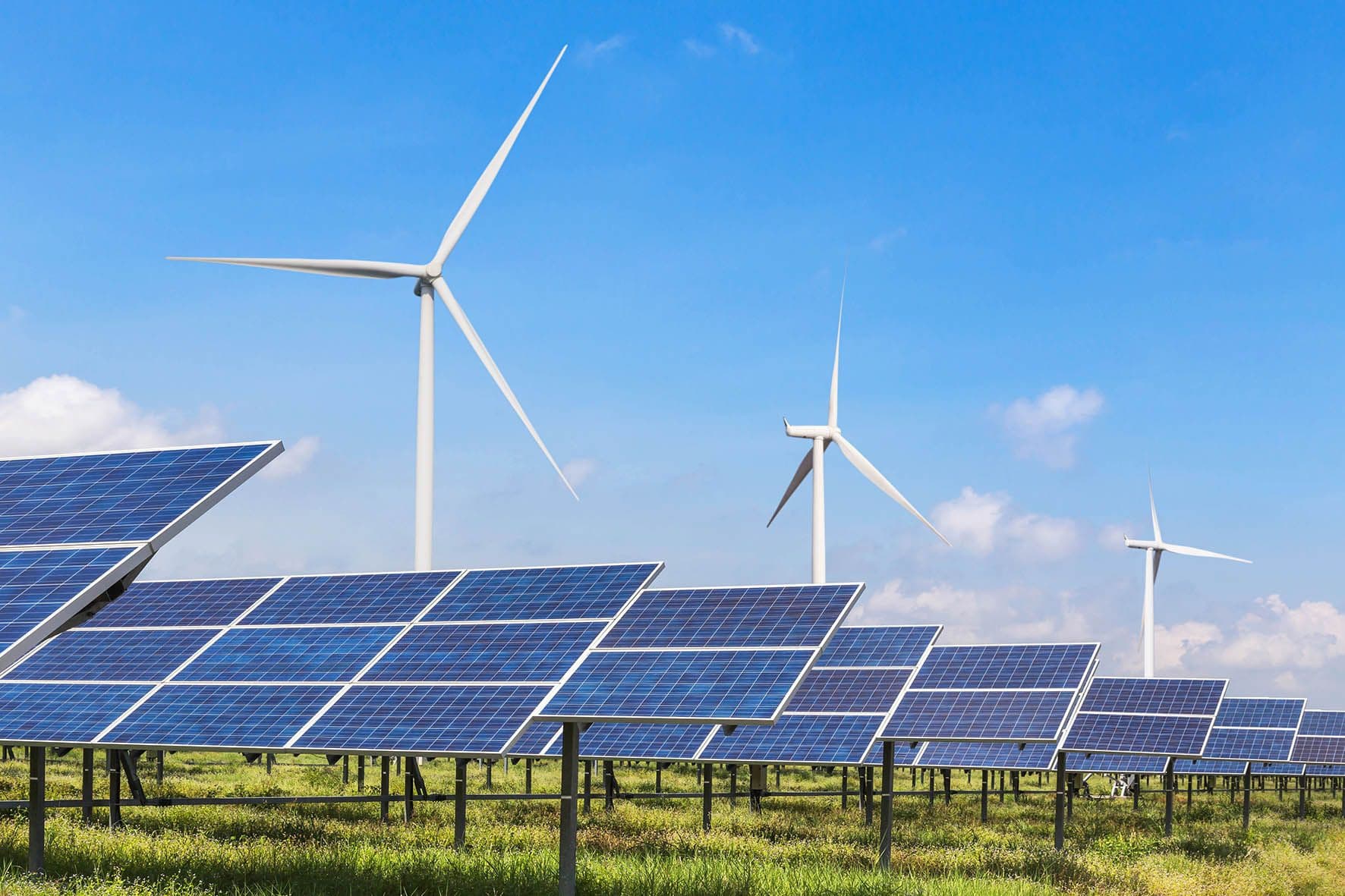
- Urgently construct solar and wind farms and upgrade the power grid with battery storage to enable the quick transition of Victorian homes and businesses to an all-electric, post-gas energy system.
- Establish a renewables manufacturing industry (solar photovoltaic, lithium-ion battery and electric vehicles), with guaranteed secure jobs and retraining for workers from the fossil fuel industry.
- Electrify Victoria’s transport system and commit to 100 percent electric new car sales by 2035, establish a comprehensive fast-charging network across the state including regional and rural areas, electrify the public bus fleet, and end all subsidies and concessions for fossil-fuel vehicles.
Nature and carbon stores
- Protect, restore and expand Victoria's natural carbon stores — defending and extending the end of native forest logging introduced in January 2024, establishing large-scale programs of reforestation, restoring native grasslands and wetlands, and protecting blue carbon ecosystems in coastal and estuarine areas.
Adaptation
- Fund research into adaptation strategies to protect biodiversity, water resources and agricultural yields.
- Develop a comprehensive urban heat adaptation strategy — including mandatory tree canopy targets, green roofs and walls, shading requirements in new developments, cool corridors in areas of high heat stress, and publicly funded cooling centres accessible to vulnerable communities.
- Require all new public buildings and public housing to be built to standards that protect residents from extreme heat without reliance on air conditioning, and fund retrofitting of existing public housing stock to the same standard.
- Develop a managed retreat framework for communities facing unacceptable risk from rising sea levels, flooding and fire, with full financial support for affected working-class residents, no forced relocations without genuine community consent, and particular attention to renters and low-income households with no capacity to relocate.
Democratic rights
- Repeal the anti-protest laws introduced by Labor governments that have been used to criminalise environmental defenders and peaceful civil disobedience, and restore the right to protest without risk of criminal penalty.