
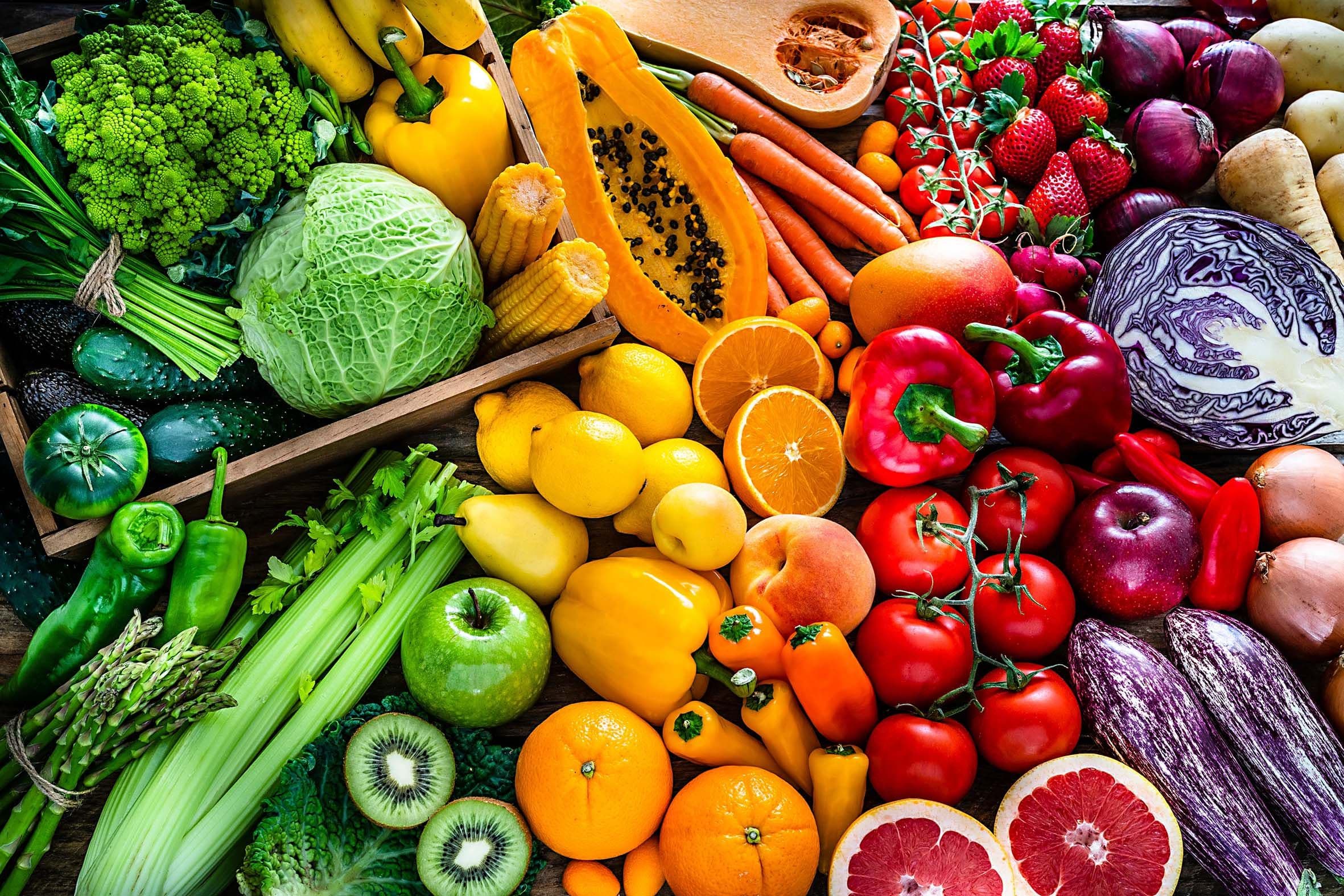
Good food and nutrition for all
Australia is a rich country, yet nearly a third (3.4 million) of all Australian households experienced food insecurity in 2024, with 2 million of those at the severe end, regularly skipping meals or going entire days without eating. Single-parent households, the majority of which include children, are among the worst affected, with 69 percent experiencing food insecurity and more than two in five in severe hardship. The companies controlling the production and distribution of our food aggressively promote cheap, low-nutrient, high-sugar and high-fat items in pursuit of profit. Profit-driven industrial farming practices have not only reduced food quality but also contributed to water pollution and river depletion, excessive land clearing, biodiversity loss, ecological breakdown and climate change. Workers in the packing sheds and fields work long hours for low pay. We need to overhaul our food systems to guarantee an environmentally sustainable and affordable supply of quality staple foods, and to improve the health of the environment, the population and the workers who feed us.
What we think
- No-one should go hungry in Victoria.
- Optimal nutrition is fundamental to good health. Food production should prioritise foods that support and improve the health of the population.
- Food production should be environmentally sustainable.
- First Nations people over tens of thousands of years developed specialised knowledge and practices that should inform sustainable food production and land management in Victoria.
- The working conditions and pay rates of those in the food industry should be exemplary.
We’ll fight to
- Introduce a ’$100 trolley’ scheme providing the opportunity for every Victorian household to purchase a week’s worth of groceries at cut prices with the subsidy cost funded directly from supermarket profits rather than general revenue.
- Provide free, nutritious lunches to all primary school students in Victorian state schools.
- Provide access to free baby formula and essential supplies for babies.
- Establish publicly owned and community-run food hubs based at neighbourhood houses and community centres, operating as markets and distribution networks to improve access to fresh produce in areas underserved by commercial retailers.
- Progressively expand a system of publicly owned farms to reduce dependence on profit-driven commercial agriculture.
- Fund community gardens, urban agriculture initiatives and food co-operatives as part of a broader strategy of food self-sufficiency and community resilience.
- Honour First Nations food sovereignty as part of a treaty process, and incorporate First Nations land management and food production knowledge into state agricultural and environmental policy.
- Guarantee fair wages, safe conditions and secure employment for all workers in food production, processing and distribution, with particular attention to the exploitation of seasonal and migrant workers.