
Making our cities more liveable
Victoria’s cities are becoming increasingly segregated and unequal. The outer suburbs have the largest share of people and the fastest rates of population growth, but the lowest incomes, fewer jobs and little to no public services. This divide is starker still outside Melbourne, where entire regions have even less access to jobs, healthcare and public services. Corporate developers have been given the keys to Victoria, building new suburbs with few amenities, privatising public spaces and cramming people into ever smaller blocks and apartments. State and local planning schemes are full of preferred rather than mandatory controls, where public and social infrastructure is an afterthought. We need proper planning and proper investment. We need cities that work for everyone.
What we think
- The places we live must be designed and retrofitted so that their inhabitants can lead comfortable, connected and fulfilling lives.
- Existing public space and community facilities must be protected from private developers and new spaces and facilities acquired and constructed.
- All residents, regardless of the suburb in which they live, must be guaranteed equal access to affordable and high-quality housing, decent jobs, public healthcare, public transport, public education at all levels and quality public infrastructure and amenities.
- Urban planning must be democratic, and planning decisions must be guided by social equity and ecological sustainability not profit.
We’ll fight to
Ownership and public assets
- End public-private partnerships for any infrastructure project. Public infrastructure and public services should be built and run for the public not profit.
- End the sale of public land and assets to the private sector.
- Audit and take into public ownership any private land that is not being used to create space for public recreational space and facilities.
Planning and development standards
- Mandate increases in social infrastructure such as public transport, cycle lanes, walking paths, schools, hospitals, parks and playgrounds, and charge private developers a social infrastructure levy.
- Mandate low-cost and public housing ("inclusionary zoning") set at a minimum of 30 percent for all new developments.
- Mandate that all residential developments have minimum internal amenity and decent open space for each house or apartment.
- Ensure all houses are within walking distance of high quality, fast and efficient public transport.
- Mandate developer responsibility for ensuring 30 percent canopy tree coverage in all suburbs and impose a developer levy to fund urgent planting to at least double the canopy tree coverage in western suburbs.
- Ensure that social equity, ecological sustainability and public amenity are given primacy in local planning and public infrastructure decisions.
- Mandate that developers bear responsibility for structural defects to properties for 30 years after building completion and seven years for non-structural defects.
- Hold developers personally liable for structural failures and negligent builds for the life of the project, so they cannot escape their obligations by bankrupting the responsible company or through other corporate restructuring.
Heritage
- Protect and preserve heritage buildings and streetscapes, including by introducing new penalties that allow for no-compensation public acquisition of land where property owners have unlawfully demolished a building or otherwise destroyed its heritage value.
- Conduct an audit of heritage property in Victoria and transfer into public ownership those with immeasurable historic value.
Environment and green space
- Extend the ‘Green Wedges’ within Greater Melbourne and permanently prevent any rezoning, so as to protect crucial farmland, wetlands and native green spaces, including the restoration and expansion of native grassland reserves in the city's west.
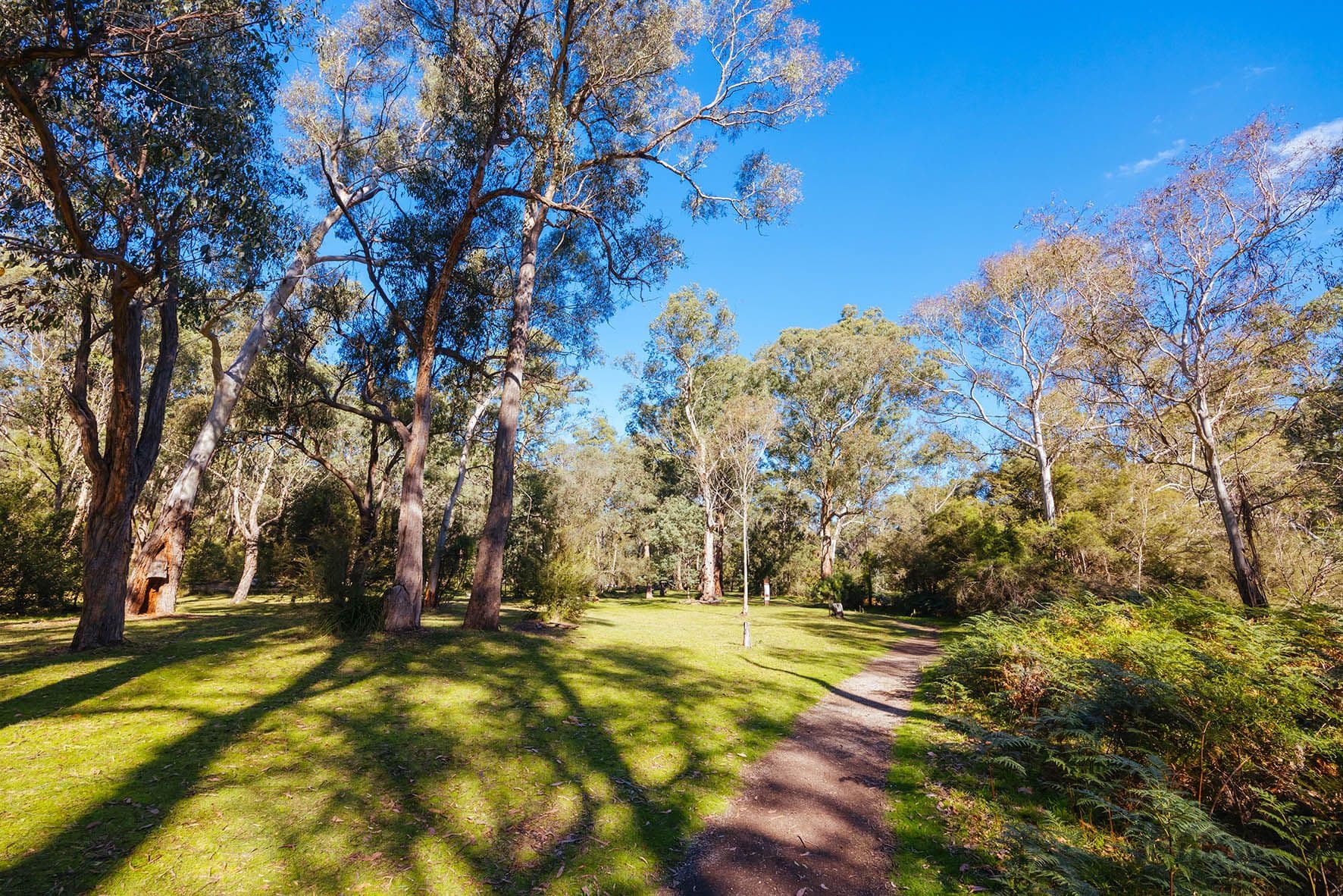
- Increase green space, canopy tree coverage and the number of linear parks and urban farms.
Community
- End outdoor and rolling-stock advertising on public land and public transport, with exemptions for public service information such as health and safety alerts, public art, education and wayfinding.
- Acquire and save community assets like Preston Market and Abbotsford Convent.
- Guarantee long-term stable funding to Neighbourhood Houses at double the current rate and expand the amount of community centres equitably across the state.